
2025 Art Show Award-Winning Art
Nathan Wilson, Show Judge
Judge's Comments can be read below each piece
Best of Show

Darcy Lanz-Sage
Between Stillness & Falling
With this piece, Darcy Lanz-Sage gives us a skillfully fashioned mixed media object. A wall hanging shadow box contains free hanging fabric pieces, rough edged, and with a color range that somehow favors unity despite their variety. The patches of fabric are cleverly strung with a line that borders on invisible. The pieces, appearing to float, seem like they should touch but somehow magically, none do. Almost a grid, the composition is simple in concept, but the variation caused by the twisting of one fabric square relative to another, combined with the subtlety of the colors transitioning from light to dark, intense to muted, from top to bottom or the reverse, transform the otherwise simple arrangement of fabric swatches into a dynamic vision.
Lanz-Sage compels us into a transitional state, as suggested by the title. We’re caught between phases. While the piece references kinetic art, like Calder’s famed mobiles, it differs in a significant way. Mobiles, in the tradition of Calder, are free to drift with the slightest movements and currents in the air. Lanz-Sage has fixed her free hanging elements behind glass, where they feel preserved and kept – timeless.
Aside from the passing urge to reach out and free the bits of fabric, the interior of the box holds our gaze, transfixed, staring, watching for the tiniest bit of movement. But there is none . . . perfectly still . . . except when you peer long and hard enough . . . then you can see it . . . unless that is just your mind . . . just need to stare harder . . .
After a moment’s reflection, we arrive at the obvious; this is life, always shifting, perpetually transitioning, from the beginning to the end, in-between. Maybe if we do as the artwork invites, step back to see the whole, we will see that the picture is charming and beautiful. Perhaps the suggestion is that if we make peace with the tension of an ever-evolving existence, we can at least for a time, just live in the beauty of it.
Merit Awards

Calm
Mimi Exon
Mimi Exon delivers a delightful dichotomy, using pastels on the roughest of surfaces, sandpaper, to convey the most liquid of images.
Like a meditation, the bottom two thirds of the image is adeptly composed of a fluid, watery, molten foreground that aptly fits with the title of the work. The serene subtlety of the pastel courses from tone to shade to hue, flowing from blue, to salmon, to grey, and then smoothly back again.
We can relax and be at ease . . . except . . . is there a hint of things unsettled? There’s a bit of chop in the water near the trees. And is the horizon ever-so-slightly off-kilter? Or perhaps something else explains this? It could just be the curve of the distant shoreline. Or an illusion created by the angle of the bank of distant clouds. Possibly just an inexplicable bit of disquiet that finds its way out with a careful slow look.
Can we sit with this unease and still be “calm?” The splendor and sensitivity of the landscape invites us to exist with this tension, not to fight it, but to recognize that at least in this slice of the world, we can float above it in the sublime calm.
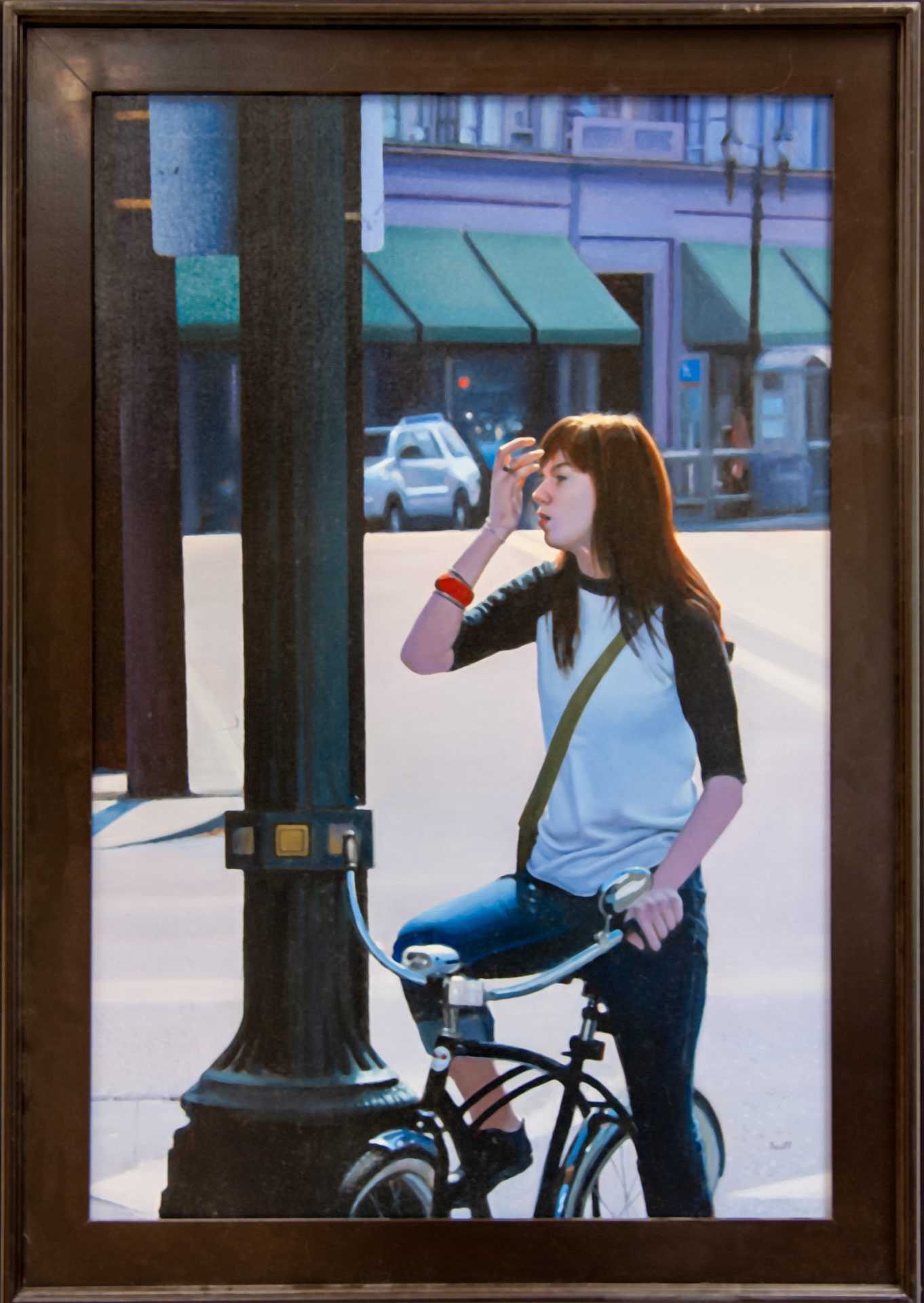
Scott Berger
Our involvement in the story is uncertain . . . are we interacting with the bicycle rider? Or maybe about to interact? Likely we are just observers, perhaps through a window, leaving us to contemplate the act of pausing to rest. The realism of the scene invites us to complete the story while the effective pictorial depth creates an expanse that holds us at a distance.
This painting is composed of angles and lines, arranged flawlessly in intersecting verticals and horizontals, punctuated with the perfectly spare use of diagonals and curves, forming strong yet dynamic shapes that contrast with a strikingly controlled range of tones, values and colors. The stacking of paint mixed just-right conveys bunched and folded fabric. The dominant greys and near black tones lend power to the select bits of intense color. The red bracelet speaks to the spot of red in a distant store window. The perfectly subtle play of tones that communicate the cool of shadows on flesh tones in the sunlight.
Choosing the path of representational and figurative in the visual arts requires courage and boldness, that is in at least one sense, beyond the regular amount of courage and boldness required of all artists. There is a vulnerability that artist encounter when attempting to portray their fellow humans with reasonable degree of observed naturalism. Because the whole of humanity by nature is finely attuned to the subtleties of the human figure, and in particular, faces. Hence, everyone becomes your critic.
Employing a near-perfect execution and use of the medium is one means of dealing with this. Requiring hours and years of dedicated practice, looking, learning, and training, this is not an easy route to take. Scott Berger achieves it with phenomenal success in this painting.

Whistling in the Park
Phillip Babb
To look into Phil Babb’s watercolor painting, Whistling in the Park, is to gaze into a world that exists inside of a bit of paper. Watercolor, perhaps more than any other medium, can achieve the state of alchemical magic that is the transmutation of materials. A bit of watery pigment on paper becomes light on the surface of objects, reflected off of metal, passing through glass, shining on hair, glowing out of the shadows on a face.
Watercolor is also possibly the most frustrating, fickle, and challenging of mediums. Its magic can only be drawn out by the most practiced and proficient of hands, expert in the most critical of skills: restraint. The exact right amount of pigment and water, applied with the sparsest of brushstrokes, just enough, no more. Only then is watercolor coaxed into performing its mysterious alchemy. This painting shows us that Phil Babb has the touch.
Is the woman whistling in the park caught in a passing moment or suspended in a never-ending moment? Will the woman be forever living this perfect serene sunlit moment on a beautiful day in the park? Or will we later glance at the painting only to discover that time has moved on?

Susan Lansdown
There is a visceral buzz and intensity of a captured moment, depicted brilliantly with oil paint in Susan Lansdown’s Be Still in the Thistle. The painting delivers a scene that conjures the impression of a memory. Intensely remembered moments are recalled with a combination of vivid freshness and blurred specificity. Lansdown renders a screen of foliage as a richly cool rush of green. The warm browns of the earth and the deer convey the heat of life.
The fixed stare is most strikingly recalled. Invoking the extremely rare moment of an eye-locked gaze shared with a wild animal, drawing us into the near impossible moment of almost comprehending each other.

Libby Scott
Using the medium of photography to spectacular effect, Libby Scott achieves a suggestion of Japanese woodblock prints while arriving at something else entirely. The sky is a soft sea of perfectly gradated tones, pale at the horizon, deep toward the zenith, that allows our eye to relax and float up through the composition, helped along and guided by the twisting sinews of the Mother Tree’s trunk and limbs, arriving at the dappled foliage where our gaze can dance freely in the fitful vitality of foliage.
The title of the image conjures the act of searching which takes us on a journey in an effort to find this specific tree, and to finally arrive at the heights where we are left to our own contemplation.
Black-and-white is a choice, deliberately employed by the artist, portraying the scene only through tints of monochromatic greys. Our mind’s eye is invited to supply the colors that we feel like we can see. Surely the tree is pink . . . but also it is undoubtedly an intense pale green . . . must be both colors at once. So much of the story comes to us in this way, in hints and visions.
Honorable Mention
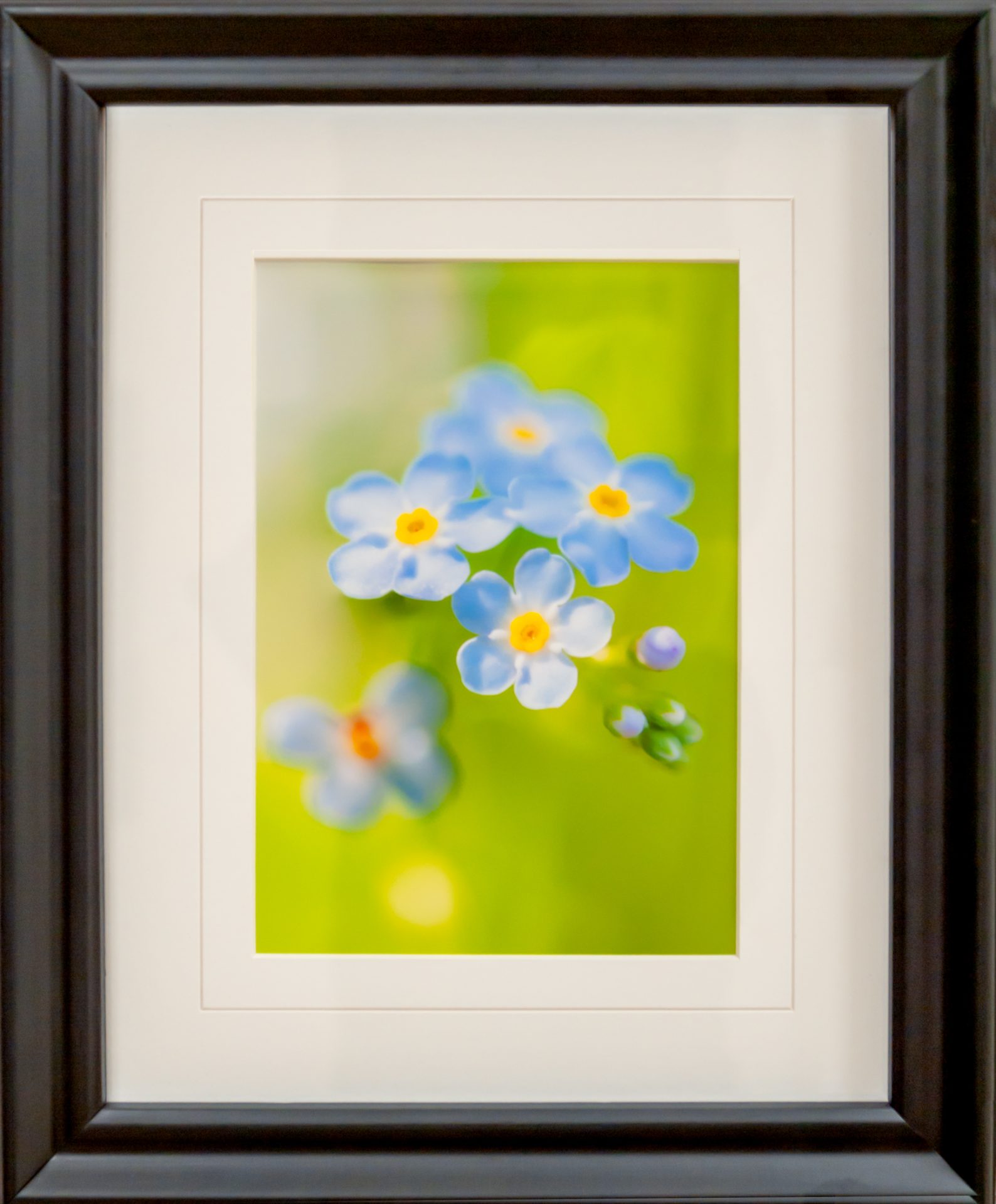
Remember Me
Aline Fetter

Thunderbird Vase
John Doud

North Woods
Christine Alfery

Darby Jordan

Circle of Life
Ray Butkus
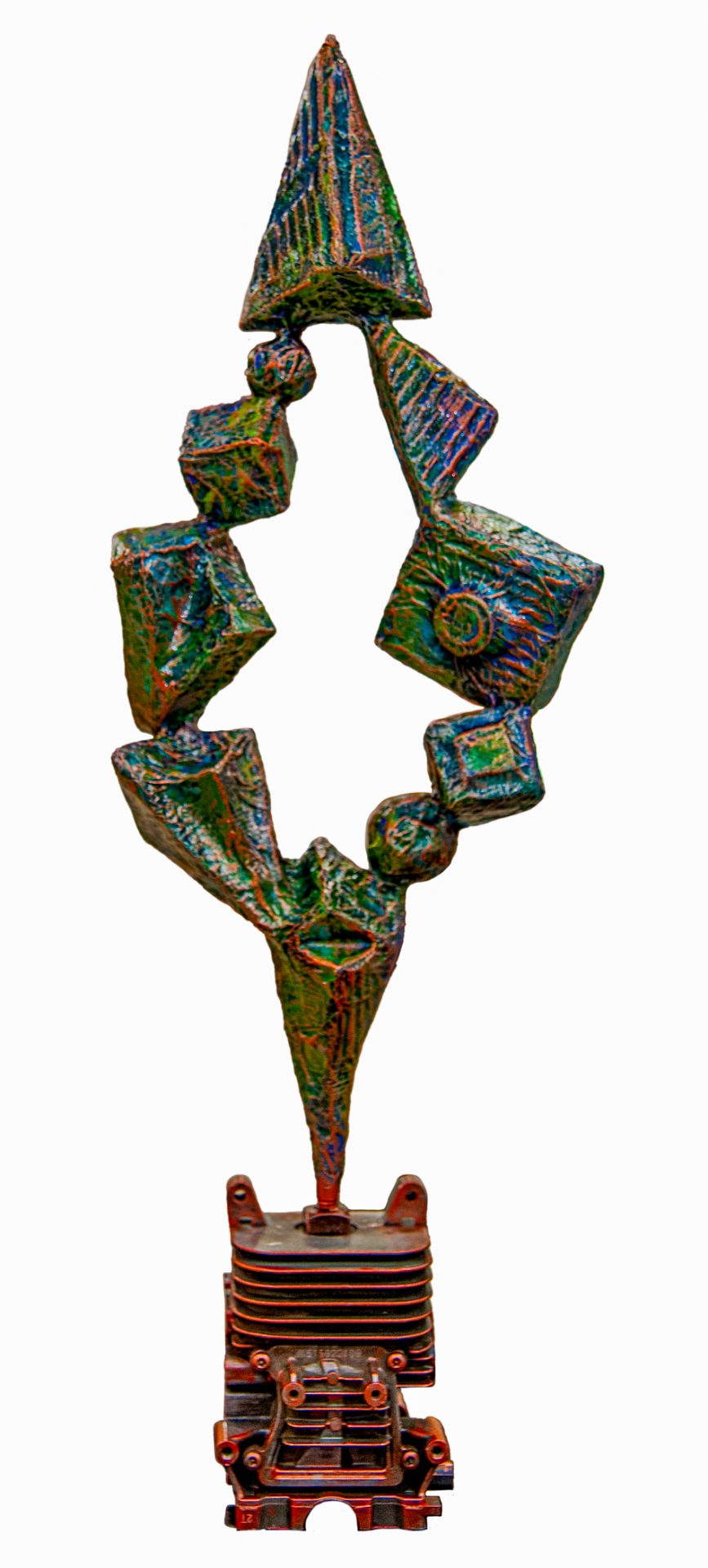
Mary Robinson

Christy Butterfield

Enchanted Northwoods Forest
Paul Pyrcik
PEOPLE’S CHOICE AWARD
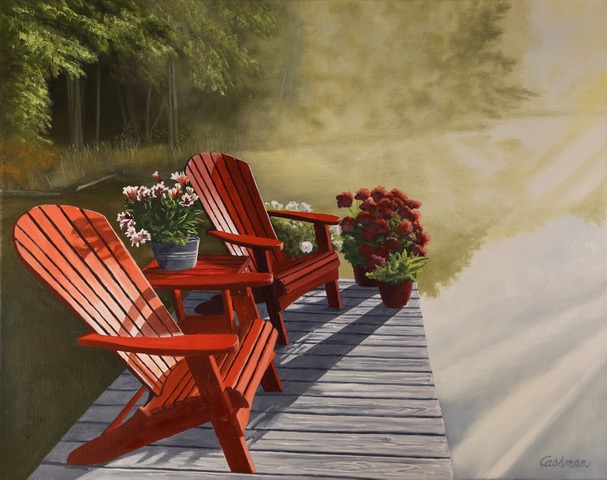
Pier Pleasure
Sandy Cashman
PATRON'S CHOICE AWARD
Darby Jordan